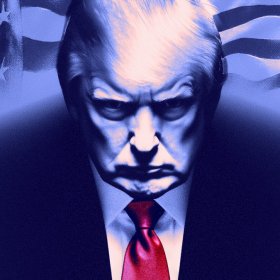


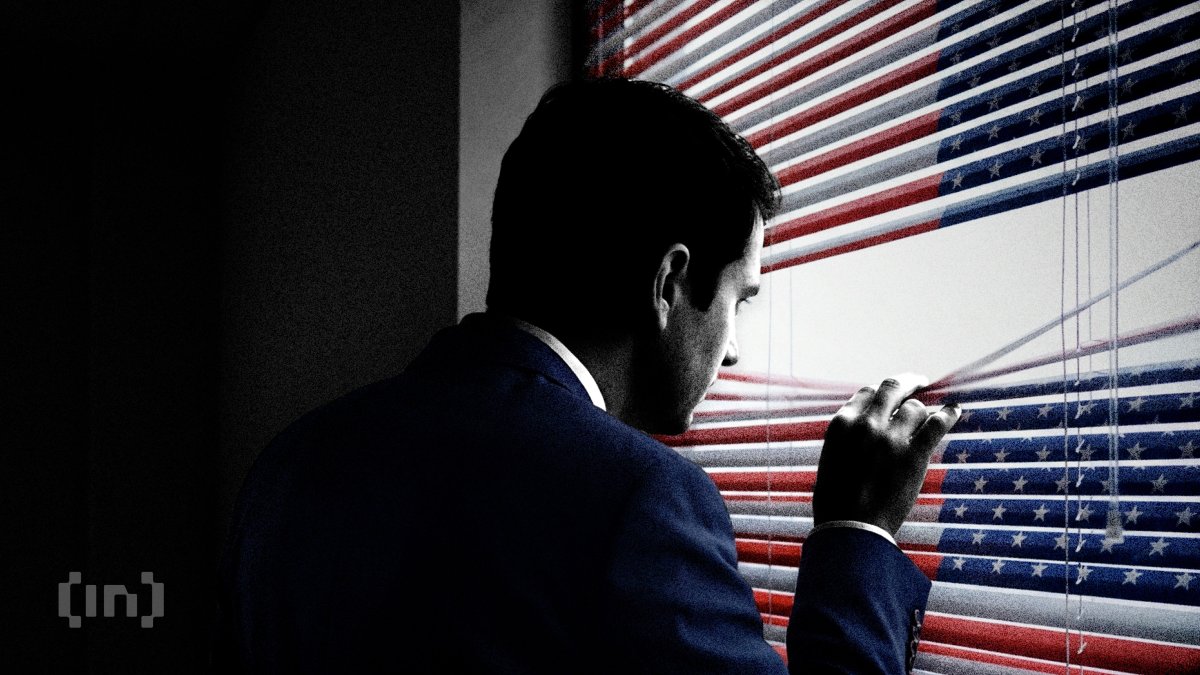
President Trump is weighing Jay Clayton, the former SEC chairman who sued Ripple, for the role of White House AI czar.
That possibility has unsettled parts of the crypto community, which is still watching Clayton’s regulatory legacy closely.
What Do Reports Say About Clayton as AI Czar?
CNN reported that Trump is actively seeking to fill the AI czar position within days. Clayton currently serves as Director of National Intelligence, overseeing the 18-agency intelligence community.
Asked about the role, Trump called Clayton “a good man” and said having him take it “is a good idea.”
Clayton signaled his approach to AI oversight during his July confirmation hearing for the intelligence post. He argued that AI requires careful handling because it represents both opportunity and risk.
Former AI czar David Sacks left the position in March. His government employee status had expired, leaving the role vacant for months while Trump searched for a replacement.
No formal timeline for naming a successor has been announced publicly.
Why Does Clayton’s Ripple Lawsuit Still Matter?
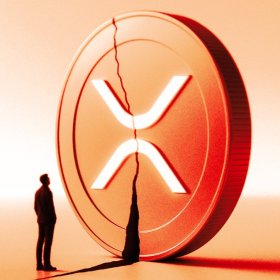
Clayton led the SEC when it sued Ripple in December 2020. The agency alleged Ripple raised $1.3 billion through unregistered securities sales dating back to 2013.
A judge later found that $728.9 million in direct institutional sales qualified as unregistered offerings.
Other XRP sales, including programmatic trading, fell outside that classification.
The case closed in August 2025 with a $125 million penalty. That figure sat well under the roughly $2 billion the SEC originally sought from Ripple.
A permanent injunction still restricts how Ripple sells XRP to US institutions, even though the litigation has ended.
The lawsuit also triggered a two-and-a-half-year delisting from major exchanges. It later delayed XRP’s path to spot ETFs until November 2025, well after Bitcoin and Ethereum had already captured that institutional demand.
Crypto advocates fear Clayton could bring that same strict posture to his next role with AI regulation. Whether that caution extends to AI policy is unclear right now. No evidence suggests crypto rules would tighten under his watch.
Source: BeInCrypto